

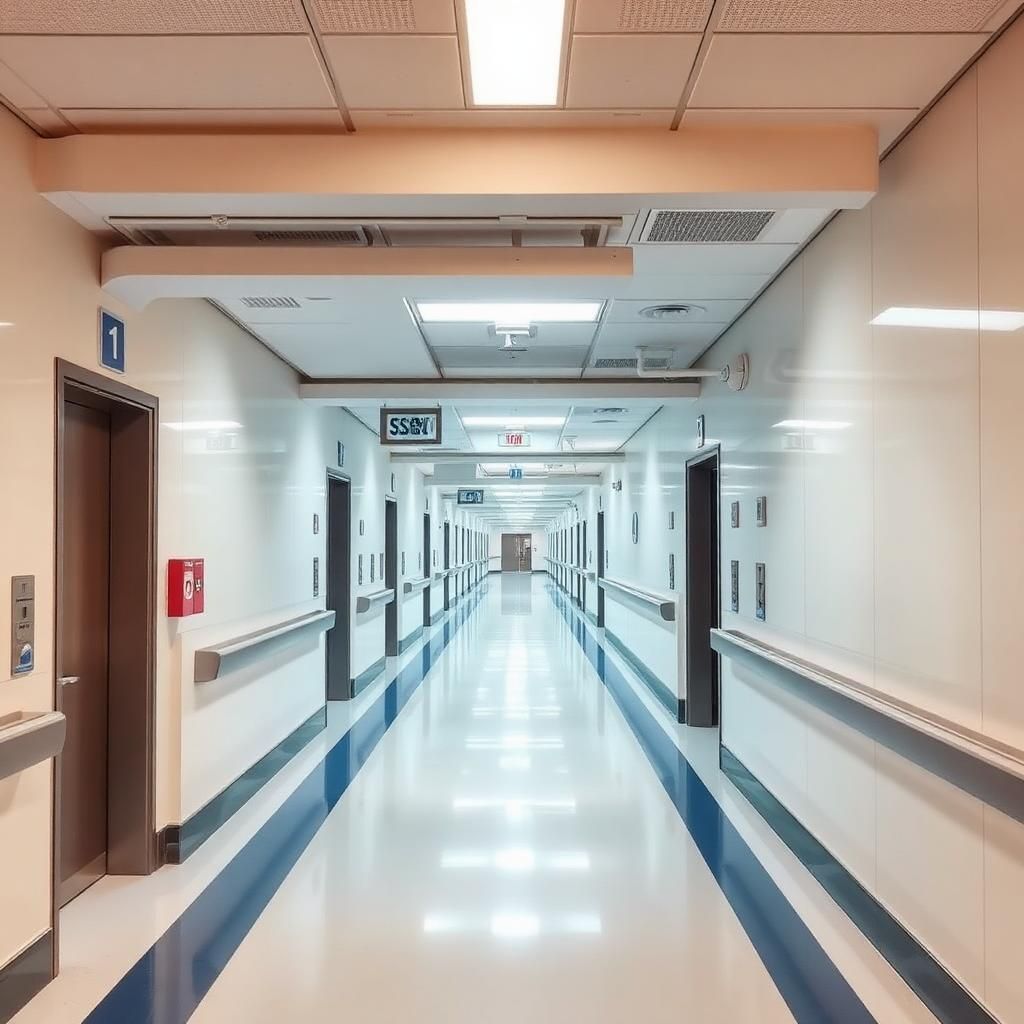
Why healthcare estates need engineered resilience, not just maintenance schedules.
Where downtime is a clinical risk
In a hospital, a facilities failure is never just an inconvenience — it is a patient-safety event. Power, medical gases, ventilation, and temperature control underpin care delivery, so continuity has to be engineered into the estate, not bolted on afterward.
That starts with mapping every critical system to the clinical service it supports, then identifying single points of failure that could interrupt that service.
Designing for graceful failure
Resilient healthcare estates assume things will break. Redundant power paths, tested standby generation, and segregated ventilation zones ensure that when one component fails, the service it supports keeps running.
Equally important is the human layer: escalation protocols, on-call cover, and drills that turn a plan on paper into a rehearsed response.
Audit-ready by design
Healthcare operates under intense regulatory scrutiny. We build documentation, planned-maintenance evidence, and compliance records into the operating rhythm so audits become a by-product of good operations rather than a scramble.